As winter settles in, there’s nothing quite as comforting as stepping onto a warm floor on a chilly morning. Radiant floor heating is an innovative solution that offers unparalleled comfort, efficiency, and even health benefits. Whether you’re building a new home or upgrading your heating system, radiant floor heating is a modern, energy-efficient way to keep your living space cozy.
What is Radiant Floor Heating?
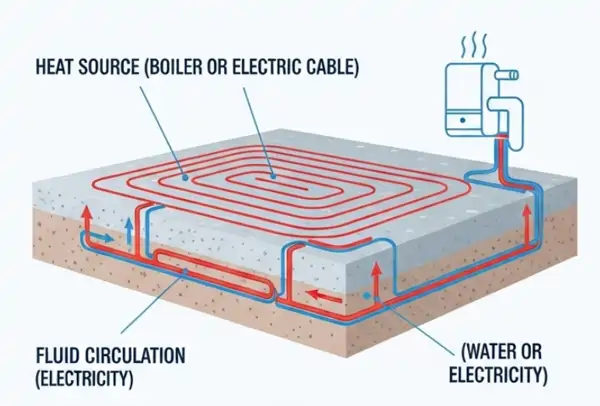
Radiant floor heating is a heating system that operates by distributing heat evenly through the floor rather than relying on forced-air or baseboard heating. There are two main types of radiant floor heating:
- Hydronic Systems – These use heated water circulated through pipes installed beneath the flooring. Hydronic systems are highly efficient and ideal for whole-home heating.
- Electric Systems – These use electrical heating elements, such as cables or mats, to generate warmth. Electric systems are best suited for smaller spaces like bathrooms or kitchens.
Regardless of the type, radiant floor heating provides a consistent and luxurious warmth that enhances the comfort of any home.
How Radiant Floor Heating Is Installed
Radiant floor heating is a modern, efficient, and luxurious way to warm your home. Instead of blowing heated air through vents, it delivers warmth directly through the floor, creating an even and comfortable environment. If you’re considering this upgrade, here’s an inside look at how the installation process works.
1. Choosing the Right System
Before installation begins, you’ll need to decide between hydronic (water-based) and electric radiant floor heating:
- Hydronic systems circulate warm water through flexible tubing beneath the floor. These are ideal for whole-home heating and are highly energy efficient when paired with a boiler or water heater.
- Electric systems use heating cables or mats and are better suited for smaller areas, such as bathrooms or kitchens.
Your installer will assess your home’s layout, insulation, and heating needs to recommend the right system for you.
2. Preparing the Subfloor
Proper preparation ensures the system works efficiently:
- Clearing the work area by removing the existing flooring material.
- Inspecting and repairing the subfloor to make sure it’s clean, dry, and level.
- Adding insulation beneath the heating system to prevent heat loss and improve efficiency.
This preparation step is critical for maximizing comfort and energy savings.
3. Installing the Heating Elements
The heart of the system is installed directly onto the prepared subfloor:
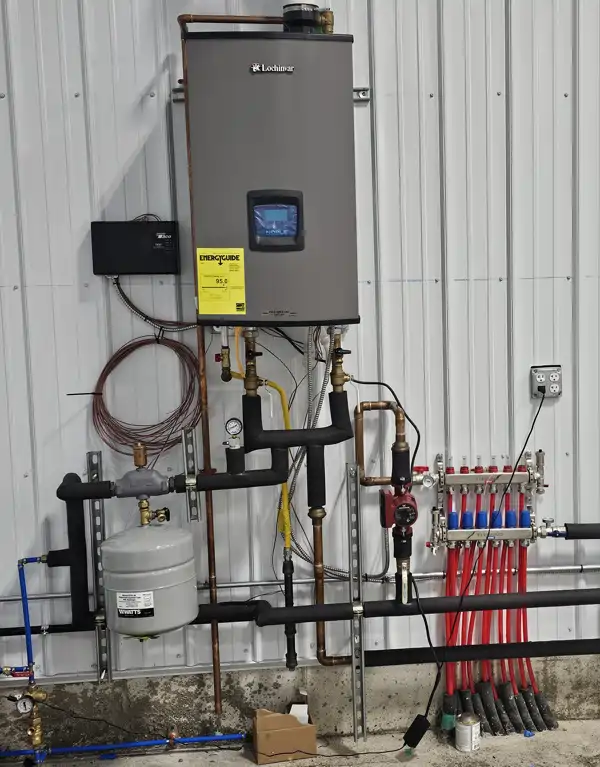
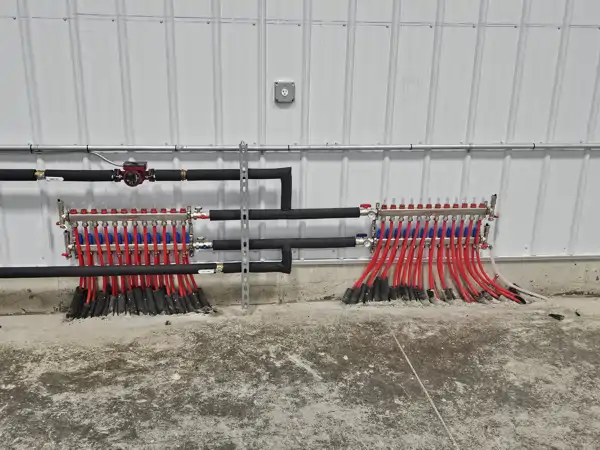
- Hydronic systems: Flexible PEX tubing is arranged in a serpentine or spiral pattern to ensure even heat distribution. The tubing is securely fastened and connected to a manifold, which regulates water flow.
- Electric systems: Heating cables or mats are rolled out and evenly spaced across the floor area, with electrical connections routed to a thermostat.
Precision in layout ensures that every square foot of the floor will feel warm.

4. Adding the Thermal Mass
For many installations, a thin layer of concrete or self-leveling compound is poured over the heating elements to create thermal mass. This layer:
- Protects the heating system.
- Stores and evenly distributes heat.
- Provides a smooth, stable surface for the final flooring material.
5. Connecting to the Heat Source
- Hydronic systems are connected to a boiler, water heater, or heat pump. The system is filled with water, purged of air, and pressure-tested for leaks.
- Electric systems are wired into the home’s electrical panel, connected to a dedicated circuit, and tested for proper operation.
6. Installing the Finished Flooring
Once the heating system is in place and tested, the chosen flooring is installed. Radiant floor heating works well with:
- Tile and stone (best for heat transfer).
- Engineered hardwood.
- Laminate and luxury vinyl.
Low-pile carpet can also work, though it may slightly reduce heating efficiency.
7. Testing and Commissioning
Before the system is put into regular use, the installer will:
- Verify that the thermostat is functioning.
- Ensure even heating across the floor surface.
- Provide guidance on optimal settings for comfort and efficiency.
The Benefits of Radiant Floor Heating
🌀 Even and Consistent Heating
Unlike traditional forced-air systems that create hot and cold spots, radiant floor heating delivers even warmth across the entire room. No more chilly corners or temperature fluctuations—just steady, comfortable heat.
💡 Energy Efficiency & Cost Savings
Radiant heating operates more efficiently than conventional heating systems. Because heat rises naturally from the floor, less energy is required to maintain a comfortable temperature. Hydronic systems, in particular, use water, which retains heat better than air, leading to lower energy bills over time.
🌿 Improved Indoor Air Quality
Traditional HVAC systems can circulate dust, allergens, and other airborne particles. Since radiant heating doesn’t rely on forced air, it helps maintain cleaner indoor air—making it a great option for allergy sufferers and those with respiratory conditions.
🤫 Silent Operation
No more loud blowers or noisy vents—radiant floor heating operates in complete silence, creating a peaceful and comfortable environment.
📈 Increased Home Value
Homes with radiant floor heating are often seen as more luxurious and energy-efficient, which can increase property value. Potential buyers may view this upgrade as a major selling point.
🧦 Enhanced Comfort with Warm Floors
There’s nothing quite like stepping onto a warm floor on a cold morning. Whether it’s tile, hardwood, or laminate, radiant heating ensures that your floors stay cozy, adding an extra layer of comfort to your daily routine.
🏠 Compatible with Various Flooring Types
Radiant heating works well with many types of flooring, including tile, stone, laminate, and engineered wood. While carpet can reduce efficiency, it’s still possible to install radiant heating beneath certain types of low-pile carpets.
Is Radiant Floor Heating Right for You?
Radiant heating is a great investment for those looking to improve comfort, energy efficiency, and indoor air quality. It’s especially beneficial in colder climates like Indiana, where winters can be long and frigid. If you’re planning a home renovation or building a new house, installing radiant floor heating can provide long-term savings and unparalleled warmth.
Final Thoughts Radiant floor heating isn’t just a luxury—it’s a smart, efficient, and health-conscious heating solution. Whether you’re upgrading your home or designing a new one, this technology offers a modern approach to warmth and comfort.
Radiant floor heating installation is a precise process that blends technical skill with careful planning. While it’s possible for experienced DIYers to tackle small electric systems, hydronic systems are best left to professionals. With proper installation, you’ll enjoy years of quiet, efficient, and luxurious warmth—right under your feet.
Ready to experience the benefits of radiant heating? Contact Muegge Plumbing, Heating, Cooling & Electric to explore your options today!
Best Regards,
Muegge’s